


How to Be a Better Manager
Being a manager can be a challenging role, but with the right skills and mindset, you can become an effective and respected leader. Here are some tips to help you become a better manager.
Develop strong communication skills
Effective communication is essential to being a great manager. Learn to communicate clearly, actively listen, and ask questions to understand your team's needs and concerns. Use a variety of communication tools such as face-to-face conversations, email, and messaging apps to keep your team informed and engaged.
Set clear expectations and goals
Set clear expectations and goals for your team. Ensure that everyone understands their roles and responsibilities and the goals they need to achieve. Make sure goals are SMART (Specific, Measurable, Achievable, Relevant, and Time-bound) and track progress regularly.
Build strong relationships
Build strong relationships with your team members based on trust, respect, and transparency. Get to know them on a personal level and take an interest in their career development. Provide regular feedback, recognize their achievements, and offer support and guidance when needed.
Lead by example
As a manager, you need to lead by example. Be a role model for your team by displaying the behaviours and work ethic you expect from them. Show up on time, meet your deadlines, and take responsibility for your mistakes. Demonstrate a positive attitude and maintain a professional demeanour at all times.
Develop your coaching and mentoring skills
Coaching and mentoring are essential skills for a great manager. Identify the strengths and weaknesses of your team members and provide feedback to help them grow and develop. Offer training opportunities and support their professional development.
Foster a positive work environment
A positive work environment is crucial to employee satisfaction and productivity. Foster a culture of open communication, collaboration, and mutual respect. Celebrate successes, encourage teamwork, and address conflicts quickly and professionally.
Embrace change
Change is a constant in today's workplace. Embrace it, and help your team adapt to new technologies, processes, and procedures. Encourage innovation and creativity, and be willing to try new approaches to problem-solving.
In conclusion, becoming a better manager requires a combination of skills, including effective communication, goal-setting, relationship-building, leadership, coaching and mentoring, fostering a positive work environment, and embracing change. By developing these skills and adopting a growth mindset, you can become an effective and respected leader whom #leadership inspires and motivates your team to achieve their best work.
#training #growth #work #team #innovation #communication #coaching #opportunities

How to Coach Good Employees into Great Employees
As a manager, you likely have some employees who are performing well but have the potential to do even better. Coaching these good employees into great employees is a valuable investment in your team's success. Here are some tips to help you get started:
Provide regular feedback
One of the most important aspects of coaching is providing regular feedback to your employees. Make sure they understand what they are doing well and where they can improve. Focus on specific behaviours and outcomes, and be clear about your expectations.
Set clear goals
Set clear goals with your employees, and help them develop a plan to achieve those goals. Make sure the goals are challenging but achievable, and provide regular feedback on progress. Celebrate successes along the way, and adjust the plan if necessary.
Encourage development
Encourage your employees to take on new challenges and develop their skills. Provide opportunities for training and development, and support their efforts to improve. Encourage them to seek out mentors or other resources that can help them grow.
Focus on strengths
Help your employees identify their strengths and find ways to use them more effectively. Focusing on strengths can help build confidence and motivation. Help them find opportunities to use their strengths in new ways and explore new areas where they can excel.
Address weaknesses
While focusing on strengths is important, it's also important to address weaknesses. Work with your employees to identify areas where they can improve and help them develop strategies to overcome those challenges. Provide support and resources to help them succeed.
Provide recognition and rewards
Recognize and reward your employees for their hard work and achievements. This can be as simple as verbal recognition or a public acknowledgment in a team meeting. Rewards can also be effective, such as a bonus or promotion, to show your appreciation for their hard work.
Build a strong relationship
Building a strong relationship with your employees is essential to effective coaching. Take the time to get to know them on a personal level, show interest in their career goals and aspirations, and be available to provide guidance and support when they need it.
In conclusion, coaching good employees into great employees requires a combination of regular feedback, clear goal-setting, encouragement of development, focusing on strengths, addressing weaknesses, recognition and rewards, and building strong relationships. With these strategies, you can help your employees reach their full potential and achieve even greater success.
hashtag#training hashtag#growth hashtag#work hashtag#team hashtag#innovation hashtag#communication hashtag#coaching hashtag#opportunities

How to Deal with Bad Management
Shannon Weese, PGCHRM
March 27, 2023
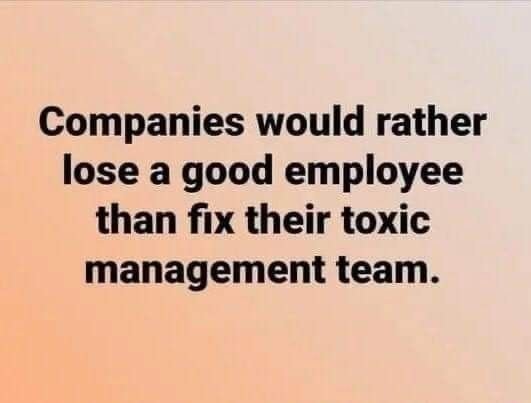
Dealing with bad management can be a frustrating and challenging experience. It can affect your job satisfaction, productivity, and even your mental health. Here are some strategies to help you cope with bad management:
Identify the problem
The first step in dealing with bad management is to identify the problem. Is it a lack of communication, unclear expectations, micromanaging, or favouritism? Once you have identified the problem, you can start to develop a plan to address it.
Seek support
Talking to someone about your concerns can help you gain perspective and find solutions. Seek support from colleagues, a mentor, or a professional coach. Join a professional network or an online community where you can connect with others who may have faced similar challenges.
Document the issue
Keep a record of any incidents or situations that illustrate the problem. Be specific about what happened, when it happened, and who was involved. This will help you to present your case objectively and to identify patterns of behavior.
Communicate your concerns
If you feel comfortable doing so, communicate your concerns to your manager. Be clear and specific about the problem and how it is affecting your work. Provide specific examples and suggest possible solutions. If you don't feel comfortable talking to your manager, consider talking to HR or a higher-level manager.
Focus on what you can control
While you may not be able to control the behaviour of your manager, you can control your own behaviour and attitude. Focus on your work and your own goals. Set boundaries and prioritize your own well-being.
Look for opportunities to learn and grow
Dealing with bad management can be a learning experience. Look for opportunities to learn new skills or take on new challenges. Seek feedback from others and use it to improve your own performance.
Consider your options
If the situation is not improving, consider your options. You may want to explore other job opportunities or consider talking to a lawyer if you feel that your rights are being violated.
In conclusion, dealing with bad management can be a challenging experience, but there are strategies you can use to cope. Identify the problem, seek support, document the issue, communicate your concerns, focus on what you can control, look for opportunities to learn and grow, and consider your options. Remember, your well-being and job satisfaction are important, and you have the power to take action to improve your situation.
#training #growth #work #team #innovation #communication #coaching #opportunities

How to Deal with a Hostile Workplace
Shannon Weese, PGCHRM
Human Resources Specialist
March 27, 2023
A hostile workplace can be a toxic environment that can negatively impact your mental and emotional well-being. Here are some strategies to help you cope with a hostile workplace:
Identify the behaviour
The first step in dealing with a hostile workplace is to identify the behaviour that is causing the problem. Is it harassment, discrimination, or bullying? Once you have identified the behaviour, you can start to develop a plan to address it.
Speak up
If you feel comfortable doing so, speak up about the behaviour. Talk to your supervisor, HR representative, or another authority figure. Be clear and specific about the problem and how it is affecting you. Provide specific examples and suggest possible solutions.
Document the behaviour
Keep a record of any incidents or situations that illustrate the problem. Be specific about what happened, when it happened, and who was involved. This will help you to present your case objectively and to identify patterns of behaviour.
Set boundaries
Set boundaries and prioritize your own well-being. If possible, avoid interacting with the person or people who are causing the problem. If this is not possible, try to limit your interactions to the minimum necessary for your work.
Seek support
Talking to someone about your concerns can help you gain perspective and find solutions. Seek support from colleagues, a mentor, or a professional coach. Join a support group or an online community where you can connect with others who may have faced similar challenges.
Know your rights
Know your legal rights and protections. If you are being harassed or discriminated against, you may be protected under federal and provincial laws. Contact a lawyer or a legal aid organization for advice and assistance.
Consider your options
If the situation is not improving, consider your options. You may want to explore other job opportunities or consider talking to a lawyer if you feel that your rights are being violated.
In conclusion, dealing with a hostile workplace can be a difficult experience, but there are strategies you can use to cope. Identify the behaviour, speak up, document the behaviour, set boundaries, seek support, know your rights, and consider your options. Remember, your well-being and job satisfaction are important, and you have the power to take action to improve your situation.
#training #growth #work #team #innovation #communication #coaching #opportunities